In the past year, we have witnessed significant shifts in immigration policy under the current administration. We have read about and watched through various platforms how the government has enforced immigration law across different immigrant communities. One cannot help but compare cases and anticipate their own fate if and when ICE comes knocking on their doors or takes them into custody.
The enforcement of immigration law has been inconsistent and challenging to predict. Instead of being guided by established legal parameters, enforcement appears to be driven by arrest quotas. The directive seems focused on detaining as many individuals as possible to meet numerical targets. By year’s end, immigration authorities had reportedly detained and deported more than half a million immigrants.
But at what expense?
This has come at the expense of hundreds of thousands of hard-working immigrant families who have suffered separation, U.S. citizen children left without adequate care, detainees with underlying illnesses dying for lack of medical treatment, and more. Advocate groups have filed cases in federal courts seeking rulings on whether current immigration enforcement practices are lawful.
On our end as immigration attorneys, we can provide you with legal advice and information that may be relevant to your situation. We believe that there is no one-size-fits-all solution, but with knowledge in hand, we hope that you will be able to make informed decisions about your path forward under current immigration policies. Our firm will continue monitoring developments and advocating for our clients regardless of the political climate.
Wishing that 2026 brings us renewed hope that positive changes will take place and that the rule of law will guide immigration policy in the year ahead.
Recent reports reveal that the U.S. Department of State (DOS) has issued internal guidance instructing U.S. embassies and consulates on how to evaluate whether visa applicants may be denied a visa for being a “public charge.” Although the guidance has not been officially published, an unofficial copy has circulated publicly and provides important insight into how consular officers are being told to assess visa applications.
This article explains, in plain language, what this guidance says and why it matters to individuals applying for visas at U.S. embassies and consulates abroad.
What Is the “Public Charge” Rule?
Under U.S. immigration law, a person can be denied a visa if a consular officer believes the person is likely at any time to become a “public charge”—meaning primarily dependent on the government for basic living needs.
This rule applies to:
Immigrant visa applicants (green cards processed abroad), and
Most nonimmigrant visa applicants (tourist, student, work, and other temporary visas)
The new DOS guidance emphasizes that consular officers must apply this rule carefully and proactively, because once someone is admitted to the U.S., removing them later is difficult and costly.
How Consular Officers Are Told to Apply the Rule
No Single Test—Everything Is Considered Together
The guidance makes clear that there is no bright-line rule for determining public charge. Instead, officers must look at the “totality of the circumstances.” This means reviewing all relevant aspects of the applicant’s life, not just one factor. The applicant always bears the burden of proof. In other words, the applicant must convince the officer that they will not become a public charge.
Key Factors Officers Are Instructed to Examine
1. Age
Officers are told to consider whether the applicant is:
Very young (and dependent on others), or
Near or past retirement age
For older applicants, officers are instructed to consider whether the person can realistically work long enough in the U.S. to support themselves, save for retirement, and avoid needing government assistance later in life.
2. Health
Health plays a significant role in this guidance. Officers are instructed to closely examine:
Chronic illnesses (such as diabetes, heart disease, cancer, respiratory conditions)
Mental health conditions
Any condition that could limit the applicant’s ability to work or require expensive long-term care
The guidance specifically warns officers that long-term medical or nursing care can cost hundreds of thousands of dollars per year, and applicants must show how such care would be paid for without relying on government assistance.
Even conditions not classified as serious in medical exams—such as obesity—are mentioned as potentially relevant if they increase future health risks.
3. Family Status
Officers are instructed to evaluate:
The number of dependents
Whether the applicant is the sole provider
Whether dependents have special medical or financial needs
Applicants with large families or dependents who require care may face greater scrutiny.
4. Financial Resources and Assets
Applicants must show they have real, usable financial resources, such as:
Savings and bank accounts
Investments or retirement funds
Insurance coverage
Officers are told to question whether assets are:
Liquid
Actually available for use in the U.S.
Sufficient to last over the applicant’s expected lifetime
Applicants may be asked to provide extensive documentation, and officers may verify financial records directly with banks or institutions.
5. Education, Skills, and English Ability
The guidance places strong emphasis on employability. Officers are instructed to consider:
Education and work history
Whether foreign credentials are usable in the U.S.
English language proficiency
Applicants with limited English skills must show a realistic plan for learning English and supporting themselves during that time. Officers are encouraged to assess English ability directly during the visa interview.
6. Past or Current Use of Assistance
While the legal definition of public charge focuses on cash assistance or long-term institutional care, the guidance goes further. Officers are instructed to consider:
Any past receipt of public cash assistance anywhere in the world
Use of housing assistance, food assistance, medical aid, or even private charity
Even though these benefits may not legally count as “public charge,” officers are told they may indicate future dependence when considered as part of the overall picture.
The Affidavit of Support: Necessary but Not Enough
Consular officers are instructed to closely examine:
The sponsor’s income stability
The sponsor’s credibility
The relationship between sponsor and applicant
Whether the sponsor has used public benefits themselves
Even with a qualified sponsor, a visa can still be denied if the officer believes the applicant may become a public charge in the future.
Special Note for Diversity Visa Applicants
Diversity Visa (DV) applicants cannot rely on affidavits of support. Officers are instructed to give no weight to financial support letters and must rely entirely on the applicant’s own circumstances.
Why This Guidance Matters
Although unofficial, this DOS guidance signals a more aggressive and expansive approach to public charge determinations at U.S. consulates. It encourages officers to:
Look far into the future
Scrutinize health and finances closely
Consider factors beyond what many applicants expect
For visa applicants abroad, this means preparation is more important than ever. Medical history, financial documentation, education, language skills, and credible plans for self-support all matter.
Final Thoughts
Visa applicants should understand that consular officers have broad discretion, and public charge decisions are often subjective. Even applicants with sponsors, jobs lined up, or family support may face difficult questions.
Anyone applying for a visa abroad—especially family-based immigrants, older applicants, or those with medical conditions—should seek legal guidance before the interview to prepare a clear, well-documented case.
In November 2025, USCIS proposed rescinding the existing Public Charge regulations adopted in 2022 and replacing them with no clear regulatory standards at all, relying instead on future policy guidance and individual officer discretion. The proposal would eliminate long-standing definitions, remove guardrails on adjudicators, weaken the role of affidavits of support, and expand uncertainty about which public benefits may be considered in immigration decisions.
The American Immigration Lawyers Association (AILA) strongly opposes this proposal because it is unsupported by evidence, legally flawed, harmful to families and communities, and inconsistent with decades of immigration law and administrative practice.
1. The Proposal Is Unsupported by Evidence and Will Cause Confusion
USCIS claims that removing the current rules will lead to fewer immigrants becoming dependent on public benefits. However, DHS provides no credible data, studies, or evidence to support this claim. The agency fails to explain:
What “dependence” actually means
Which benefits would count
How benefits use today predicts future dependency
Whether past public charge rules actually reduced benefit use
This lack of evidence violates basic administrative law requirements. Agencies must base major policy changes on reasoned analysis and data, not speculation. Ironically, DHS itself admits that rescinding the regulations will cause public confusion, leading many people—including U.S. citizens in mixed-status families—to avoid benefits they are legally entitled to receive, such as Medicaid, SNAP, and housing assistance. This “chilling effect” could amount to nearly $9 billion annually in foregone benefits, with even greater downstream costs to public health and economic stability.
2. The Rule Violates the Administrative Procedure Act (APA)
The proposal fails core requirements of the APA in several ways:
a. It Overturns Decades of Precedent Without Justification
For over 25 years—since the 1999 INS Field Guidance and reaffirmed by the 2022 Final Rule—public charge has been narrowly defined as primary dependence on government cash assistance or long-term institutional care. This interpretation aligns with congressional intent, court decisions, and statutory structure. USCIS now seeks to discard this settled framework without explaining why it was wrong, and without offering a replacement standard for public review.
b. No Meaningful Opportunity for Public Comment
Despite being designated an economically significant rule, DHS allowed only 30 days for public comment—half the time recommended by Executive Order 12866 and the Administrative Conference of the United States. Given the complexity and high stakes, this truncated timeline undermines democratic participation and informed policymaking.
c. No Consideration of Reasonable Alternatives
DHS did not consider amending or refining the existing regulations. Instead, it offered only one option: total rescission. This “all-or-nothing” approach is arbitrary and unlawful under long-standing administrative law principles.
3. Eliminating Definitions Will Lead to Arbitrary and Biased Decisions
The proposal intentionally removes clear definitions of “public charge,” “public benefit,” and other key terms, pushing policy decisions down to individual adjudicators.
This will result in:
Inconsistent decisions across USCIS offices
Greater risk of implicit bias and unequal treatment
Unpredictable outcomes that applicants cannot plan around
Increased RFEs, delays, denials, and litigation
USCIS suggests that future policy manuals and website guidance will fill the gap—but these materials are not legally binding, can be changed without notice, and provide no enforceable protections.
The result is a system that is unknowable in advance and unreviewable after the fact—precisely what the APA is designed to prevent.
4. The Proposal Harms Families, Children, and Public Health
DHS openly acknowledges that the rule will cause people to withdraw from benefits due to fear and confusion. The consequences are severe:
Millions could disenroll from Medicaid or CHIP
Hundreds of thousands of U.S. citizen children could lose healthcare
Increased malnutrition, untreated illness, and ER usage
Higher long-term costs for states, hospitals, and taxpayers
Yet DHS refuses to quantify these harms, claiming they are too difficult to measure—while still proceeding with the rule. This selective accounting renders the cost-benefit analysis deeply flawed and legally suspect.
5. Weakening the Affidavit of Support Undermines Congressional Intent
Congress strengthened the Affidavit of Support in 1996 specifically to ensure that immigrants would not become dependent on public assistance. The 2022 regulations correctly treat a sufficient affidavit as a strong positive factor.
The proposed rule removes this protection, suggesting that even a legally enforceable affidavit may carry little or no weight. This contradicts congressional intent and will lead to more denials even when a qualified sponsor stands ready to support the immigrant.
6. Proposed Changes to Public Charge Bonds Are Unnecessary and Punitive
Public charge bonds are an outdated relic rarely used in modern immigration law. DHS proposes expanding bond breaches to include any receipt of means-tested benefits, even when lawful and reimbursable under an affidavit of support.
This change is unnecessary, overly punitive, and administratively inefficient—especially given DHS’s own estimate that only about 10 people per year would be subject to these bond processes.
7. Removing Waivers and Exemptions Increases Fear and Instability
The proposal would remove regulations listing exemptions and waivers (e.g., for refugees, asylees, VAWA self-petitioners), relegating them to policy manuals. This deprives vulnerable populations of regulatory certainty, making lawful reliance on benefits precarious and reversible without public input.
Regulations exist precisely to prevent this kind of instability.
Conclusion: This Rule Should Not Be Finalized
AILA’s conclusion is unequivocal:
The USCIS proposal is legally defective, evidence-free, and socially harmful. It replaces clear law with fear, predictability with discretion, and transparency with opacity.
Rather than improving the public charge system, the proposal would:
Increase arbitrary denials
Harm U.S. citizen children and families
Undermine public health and economic stability
Violate administrative law principles
For these reasons, the rule must be opposed and withdrawn, and the 2022 Public Charge regulations should remain in place.
The issue of public charge has long caused fear and confusion in immigrant communities, particularly among Filipino families who value hard work, self-reliance, and supporting relatives both here and back home. In November 2025, the Department of Homeland Security (DHS) announced a new proposed rule that would significantly change how public charge is applied in immigration cases.
This article explains, in plain language, what the proposed rule means, why it matters, and what Filipino immigrants and their families should keep in mind.
What Is “Public Charge”?
Under U.S. immigration law, a person may be denied a visa, admission to the United States, or a green card if the government believes that the person is “likely at any time to become a public charge.”
Simply stated, public charge refers to whether an immigrant is likely to become primarily dependent on government assistance in the future. Importantly, the law does not say that receiving help automatically makes someone a public charge. The decision has always been meant to be forward-looking and based on the person’s overall life circumstances.
Why DHS Is Changing the Rules Again
DHS is proposing to rescind the 2022 public charge regulations, stating that they were too narrow and restrictive. According to DHS, those rules limited immigration officers’ ability to fairly evaluate each person’s situation and were inconsistent with how public charge had been interpreted for decades.
By removing the 2022 framework, DHS aims to return to a case-by-case, common-sense approach that looks at the totality of a person’s circumstances, rather than applying rigid definitions or checklists.
What the Proposed Rule Would Do
If finalized, the proposed rule would:
Remove detailed regulatory definitions of “public charge” and related terms
Eliminate the rigid analytical framework introduced in 2022
Restore broader discretion to immigration officers to consider all relevant facts
Continue to rely directly on the Immigration and Nationality Act (INA) and long-standing case law
In short, there would no longer be a strict regulatory formula for public charge determinations.
How Public Charge Would Be Evaluated Going Forward
Under the proposed rule, immigration officers would still be required by law to consider certain minimum factors, including:
Age
Health
Family status
Assets, resources, and financial situation
Education and job skills
Officers may also consider other individualized factors, such as work history, family support, and affidavits of support (Form I-864), when required.
There would be no automatic denial simply because someone used public benefits. Instead, the officer would assess whether the person, in their specific circumstances, is likely to depend primarily on government support in the future.
Why This Matters to the Filipino Immigrant Community
Filipino immigrants often live in multigenerational households, support extended family members, and work in essential industries such as healthcare, caregiving, hospitality, and technology. Many families also belong to mixed-status households, where U.S. citizens, green card holders, and noncitizens live together.
Past public charge rules caused many Filipino families to avoid benefits they were legally entitled to, such as healthcare or nutrition assistance for U.S. citizen children, out of fear that doing so would jeopardize immigration applications.
While the proposed rule does not eliminate public charge concerns, it signals a move away from fear-based, one-size-fits-all decisions and toward a more balanced and realistic evaluation of immigrant lives.
Important Limitations to Understand
This proposed rule:
Does not create a new definition of public charge
Does not guarantee approval of any application
Does not remove public charge from the law
Does not override statutory exemptions or waivers created by Congress
It also does not yet have the force of law. This is still a proposed rule, and changes may occur before it becomes final.
What Happens Next
DHS is accepting public comments through December 19, 2025. After reviewing comments, DHS may issue a final rule and later publish policy guidance explaining how officers should apply the law. Until then, public charge determinations continue under existing rules.
Practical Advice for Filipino Immigrants
Do not assume that using public benefits automatically harms your immigration case
Seek legal advice before withdrawing from benefits or making major decisions
Remember that each case is unique, and public charge is not decided by one factor alone
As always, accurate information—not fear—leads to better decisions.
Final Thoughts
This proposed rule represents a meaningful shift toward restoring fairness and discretion in public charge decisions. For the Filipino immigrant community, it offers cautious reassurance that immigration law can still recognize hard work, family support, and resilience—values deeply rooted in our culture. If you have questions about how public charge may affect you or your family, consult with a qualified immigration attorney who understands both the law and the community it serves.
What Filipino-Americans Need to Know About Recent Legislative Proposals and Why Panic Is Premature
In recent months, the Filipino-American community has been gripped by anxiety over rumors that holding dual citizenship—both U.S. and Philippine—could jeopardize their American citizenship or benefits. Social media posts have circulated claiming crackdowns, new restrictions, and demands for renunciation. Some community members have even taken the drastic, irreversible step of renouncing their Philippine citizenship out of fear.
The Philippine Embassy in Washington D.C. has repeatedly issued warnings: these rumors are false. Yet the fear persists, fueled by real legislative proposals now making their way through Congress. For Filipino-Americans navigating this confusing landscape, understanding the critical distinction between current law and proposed legislation has never been more important.
The Current Reality: Dual Citizenship Remains Fully Legal
Let’s start with what hasn’t changed. The U.S. government has not implemented any policy changes regarding dual citizenship, and the United States continues to recognize that individuals may hold citizenship in more than one country. There is no crackdown, no new restrictions, and no requirement to renounce either citizenship.
The United States has long recognized and permitted dual citizenship. There is no U.S. law prohibiting dual or multiple citizenships. This position has been reinforced by multiple Supreme Court decisions that have established fundamental protections for American citizenship.
In the landmark case Afroyim v. Rusk (1967), the Supreme Court ruled that a U.S. citizen cannot be involuntarily stripped of citizenship simply for voting in a foreign country or acquiring foreign nationality. The Court reaffirmed this principle in Vance v. Terrazas (1980), holding that intention to relinquish citizenship is key—citizenship cannot be lost without clear, voluntary intent.
These aren’t minor legal technicalities. They represent foundational constitutional protections that cannot be easily overturned by ordinary legislation.
The Philippine Dual Citizenship Law: How It Works
For Filipino-Americans, understanding Republic Act No. 9225 (the Citizenship Retention and Re-acquisition Act of 2003) is essential. When you naturalize as a U.S. citizen, you typically lose your Philippine citizenship because you take an oath of allegiance to the United States. However, R.A. 9225 allows former natural-born Filipinos who became naturalized U.S. citizens to reacquire or retain their Philippine citizenship by taking an Oath of Allegiance before a Philippine consulate.
Critically, taking this oath and reacquiring Philippine citizenship does NOT constitute intent to renounce your U.S. citizenship. The act of obtaining dual citizenship through R.A. 9225 is lawful under both Philippine and U.S. law.
The benefits of maintaining Philippine dual citizenship are substantial. You can stay in the Philippines indefinitely without visa concerns, own land without restrictions, vote in Philippine elections if you establish local residence, work and do business in the Philippines without restrictions, and your foreign spouse may enter the Philippines visa-free for one year.
The Proposed Legislation: What’s Actually Being Considered
While current law protects dual citizenship, two bills introduced in Congress in 2025 have raised concerns:
1. The Exclusive Citizenship Act of 2025 (S.3283) – Introduced by Senator Bernie Moreno of Ohio in December 2025
This bill would make it so that no one may be a citizen or national of the U.S. while simultaneously having any foreign citizenship.If passed, the legislation would require current dual citizens to submit a written renunciation of either their foreign citizenship or their U.S. citizenship within one year of enactment. Those who fail to comply would be deemed to have voluntarily relinquished U.S. citizenship.
The bill also provides that any U.S. citizen who voluntarily acquires foreign citizenship after the law’s enactment would automatically be deemed to have relinquished U.S. citizenship.
2. The Disqualifying Dual Loyalty Act of 2025 (H.R. 5817) – Introduced by Congressman Randy Fine of Florida in October 2025
This legislation prohibits individuals who hold foreign citizenship from serving in the United States Congress.Under this bill, any candidate for the U.S. House of Representatives or U.S. Senate must renounce any foreign citizenship before being elected to serve. This measure is narrower in scope—it affects only those seeking congressional office, not the general population.
Why These Bills Are Unlikely to Become Law
Despite the alarming language in these proposals, multiple factors suggest they face significant obstacles to passage:
Constitutional Barriers
The Fourteenth Amendment guarantees that all persons born or naturalized in the United States are citizens, and the Supreme Court has repeatedly affirmed that this citizenship cannot be taken away by the government as a punishment or policy choice. As Democrats Abroad noted in their statement, Congress cannot overrule the Constitution by statute, and the Exclusive Citizenship Act would collapse immediately under judicial review.
Legal experts have identified multiple constitutional problems with Senator Moreno’s bill. Courts expect legal challenges from civil-rights groups and affected individuals if the bill were enacted, and courts could delay or block key provisions pending review.
Lack of Political Support
The proposal was introduced by a single senator and has not gained bipartisan momentum, with legislative forecasting models putting the probability of enactment at roughly 3%.The bill has been referred to the Senate Committee on the Judiciary, where it currently sits with no scheduled hearings and no indication of movement.
Neither the Trump administration nor Republican leadership has endorsed these proposals. In fact, implementing such legislation could create political complications for the administration itself, as First Lady Melania Trump and her son Barron Trump both maintain dual citizenship with Slovenia.
Administrative Impossibility
The U.S. consular system cannot process the millions of renunciation cases the dual citizenship bill would require, making the proposal effectively impossible to implement. This administrative burden alone makes compliance virtually impossible within the proposed one-year timeframe.
Implementing a forced-choice regime for millions of dual nationals would require massive administrative systems for verification, notifications, appeals, and cross-checking with foreign governments—infrastructure that simply doesn’t exist.
The Social Media Misinformation Crisis
The Philippine Embassy has repeatedly warned the Filipino community not to make serious, irreversible legal decisions based on unverified social media content. In October 2025, when another viral video falsely claimed a dual citizenship crackdown was underway, the Embassy issued a clear statement: “This is not true.”
The Embassy’s guidance has been consistent: always verify information through official Philippine Embassy website (philippineembassy-dc.org), U.S. Citizenship and Immigration Services (uscis.gov), and qualified immigration attorneys.
Why does misinformation spread so easily? Social media algorithms amplify emotionally charged content, and fear spreads faster than facts. Videos claiming imminent crackdowns generate clicks and shares, regardless of their accuracy. Some content creators may not intend to mislead—they may genuinely misunderstand proposed legislation—but the effect is the same: unnecessary panic.
The Bigger Picture: Immigration Enforcement Context
It’s important to understand why these proposals have emerged now. The current administration has pursued aggressive immigration enforcement policies, including mass deportation operations and significantly increased visa revocations. In this climate, proposals like the Exclusive Citizenship Act tap into broader nationalist sentiments about loyalty and allegiance.
However, there’s a critical distinction to make: aggressive enforcement of immigration laws against undocumented immigrants is very different from stripping citizenship from naturalized Americans who have followed all legal procedures. The constitutional protections for citizenship are among the strongest in American law precisely because the Founding Fathers understood the dangers of arbitrary denationalization.
What You Should Do Now: Practical Guidance
Given this complex landscape, here’s practical guidance for Filipino-Americans concerned about dual citizenship:
1. Do Not Renounce Your Philippine Citizenship Based on Fear
Renunciation of Philippine citizenship is a serious, irreversible legal action. Once done, you lose important rights including the right to own land in the Philippines, reside indefinitely without visas, vote in Philippine elections, work without employment restrictions, and pass citizenship to future generations.
The Philippine Embassy has been emphatic on this point: do not make legal decisions based on social media content or rumors. Current U.S. law fully protects your right to maintain dual citizenship.
2. Understand What Would Need to Happen for These Bills to Become Law
For either the Exclusive Citizenship Act or the Disqualifying Dual Loyalty Act to affect you, they would need to pass the Senate Judiciary Committee (for S.3283) or House Committee on House Administration (for H.R. 5817), be approved by the full Senate, be approved by the full House of Representatives, be signed by the President, and survive inevitable constitutional challenges in federal courts.
This process typically takes many months or years, if it happens at all. You would have substantial warning before any such law took effect.
3. Monitor Developments Through Official Sources Only
Follow information from official Philippine government sources (Philippine Embassy, Department of Foreign Affairs), official U.S. government sources (USCIS, State Department), reputable news organizations with legal expertise, and qualified immigration attorneys (tancinco.com).
Be skeptical of social media posts claiming urgent action is needed, especially those using alarming language, lacking citations to official sources, or asking you to share immediately. These are hallmarks of misinformation.
4. Document Your Citizenship Status
While no action is urgently required, it’s wise to maintain organized records of your citizenship documents, including your U.S. naturalization certificate, Philippine dual citizenship documents, passports from both countries, and records of when and how you acquired each citizenship.
5. Consult an Immigration Attorney If Seriously Concerned
If you have specific concerns about your situation—perhaps you work in a sensitive government position, are considering running for office, or have unique circumstances—consult with a qualified immigration attorney. They can provide personalized guidance based on your specific situation.
6. Understand the Legislative Process
Both bills are currently in the very early stages of the legislative process. The Exclusive Citizenship Act was introduced on December 2, 2025, and immediately referred to committee. The Disqualifying Dual Loyalty Act was introduced on October 24, 2025. Neither has had hearings, votes, or any movement beyond introduction.
According to legislative tracking, thousands of bills are introduced in Congress each session, but only a small fraction become law. Bills that face constitutional challenges have an even lower success rate.
7. Stay Connected with Community Organizations
Filipino-American community organizations, advocacy groups, and legal aid societies are monitoring these developments. They can provide updates, organize responses if needed, and connect you with legal resources. Community solidarity is a strength—you’re not alone in navigating this.
Weighing the Options: A Framework for Decision-Making
If despite all of this information you’re still considering renouncing your Philippine citizenship, here’s a framework to help you make an informed decision:
Ask Yourself:
Is there an actual, current law requiring me to renounce? (Answer: No)
Have official government sources (not social media) confirmed a change? (Answer: No)
What would I lose by renouncing Philippine citizenship? (Answer: Property rights, residence rights, voting rights, family connections, future flexibility)
What would I gain by renouncing now versus waiting? (Answer: Nothing—you can always renounce later if a law actually passes and survives judicial review)
Am I acting out of fear or based on facts? (Be honest with yourself)
Have I consulted with a qualified attorney about my specific situation? (If not, do this before taking irreversible action)
The Benefits of Waiting:
By maintaining your dual citizenship status while these bills work through Congress, you preserve all your options. If a law eventually passes and survives court challenges (which experts consider unlikely), you would still have time to make an informed decision. But if you renounce now and no law ever takes effect, you’ve made an irreversible decision based on speculation.
The Principle at Stake
Beyond the practical considerations, there’s a principle worth understanding. The concept that American citizenship can be involuntarily taken away—particularly from naturalized citizens who have fulfilled all legal requirements—runs counter to fundamental constitutional protections that have been in place since the founding of the republic.
The Supreme Court has repeatedly recognized that citizenship is precious and cannot be lightly taken away. This isn’t a Republican or Democratic position—it’s a constitutional principle that transcends partisan politics. While administrations and Congresses change, constitutional protections remain.
Looking Forward
The debate over dual citizenship reflects broader tensions in American society about immigration, national identity, and what it means to be an American in an increasingly interconnected world. These are legitimate policy debates that deserve thoughtful discussion.
However, policy debates should not drive naturalized citizens to make fear-based, irreversible decisions about their legal status. The system includes deliberate checks and balances—committee review, floor debates, votes in both chambers, presidential signature, and judicial review—precisely to prevent hasty, unconstitutional changes to fundamental rights.
For Filipino-Americans, maintaining dual citizenship under current law is a benefit, not a liability. It allows you to maintain connections to your heritage, support family members in the Philippines, conduct business, own property, and preserve cultural ties—all while exercising your full rights as American citizens.
The key message is this: dual citizenship remains legal, protected, and recognized under current law. Proposed legislation faces significant constitutional, political, and practical barriers. The likelihood of these bills becoming law in their current form is extremely low. If somehow they did pass and survive judicial review, you would have substantial warning and time to respond.
Do not let fear-driven social media posts push you into making irreversible decisions. The Philippine Embassy’s guidance is clear: renunciation of citizenship is serious and should only be undertaken after careful consideration, professional legal consultation, and based on current law—not proposed legislation that may never take effect.
Verify information through official sources. Consult qualified attorneys if you have concerns. Stay connected with your community. And remember: your dual citizenship is a bridge between two countries you call home, not a burden to be discarded at the first rumor of trouble.
The Filipino-American community has weathered many challenges throughout its history in the United States. This moment calls not for panic, but for informed engagement, community solidarity, and trust in the constitutional protections that safeguard all Americans’ citizenship rights.
For Legal Consultation:
If you need personalized guidance about your dual citizenship status or have concerns about these legislative proposals, please contact our office for a confidential consultation with an experienced immigration attorney.
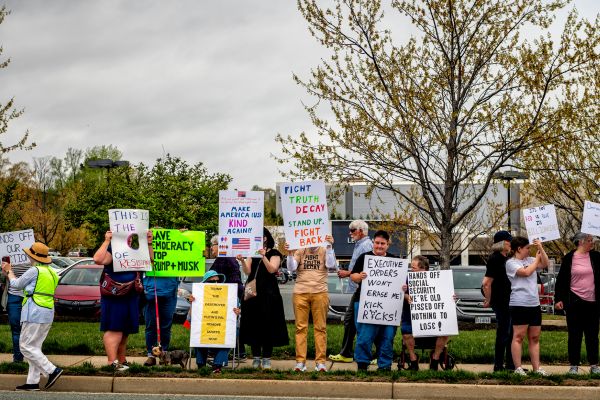
When historians look back at 2025, they will likely mark it as a watershed year in U.S. immigration policy—a year when theoretical policy proposals transformed into lived reality for millions. At the center of this transformation lies Project 2025, a comprehensive conservative blueprint that has shaped the unprecedented immigration enforcement we’re witnessing today. For undocumented immigrants, understanding this connection isn’t just academic—it could be essential to their survival.
What is Project 2025?
Project 2025 is a wish list of right-wing policies reflecting an extreme Christian nationalist ideology, written by the Heritage Foundation and more than 100 conservative groups as a blueprint for a potential conservative administration The centerpiece is a 920-page document called “Mandate for Leadership,” which spells out precisely how a new Trump administration will dismantle the U.S. immigration system and how those policy changes will impact jobs, housing, education, transportation, and commerce for both immigrants and Americans
Unlike typical policy wish lists, Project 2025 represents something different. The Heritage Foundation boasts a significant success rate: the Trump administration implemented nearly 64 percent of its recommendations within the first year of his first term. This time around, the architects came prepared with not just ideas, but with detailed implementation plans, trained personnel, and a determination to avoid the “learning curve” that slowed their first attempt.
Perhaps most importantly, the document represents a consolidation of the most restrictive immigration policies seen during the Trump administration, with an emphasis on significantly curbing both legal and illegal immigration. What makes it particularly noteworthy is its strategic depth—addressing the inefficiencies and roadblocks faced during the first Trump term with a well-thought-out plan to implement a conservative immigration agenda swiftly.
The Immigration Enforcement Vision
At the heart of Project 2025’s immigration agenda is its major goal: mass deportation. Project 2025 and Trump both promise to enact what they call the ‘largest mass-deportation’ the U.S. has ever seen. But this isn’t simply about removing people who recently crossed the border. The plan goes beyond targeting incoming migrants, threatening to also deport immigrants that have lived in the U.S. for years.
From Blueprint to Implementation: 2025 in Action
The transition from proposal to policy has been swift and comprehensive. According to multiple tracking organizations, the Trump administration has implemented roughly half of Project 2025’s overall goals, with particularly aggressive implementation in the immigration sphere.
The numbers tell a stark story. The Department of Homeland Security has deported more than 622,000 illegal migrants since Trump’s second term beganwith another 1.9 million illegal migrants choosing to self-deport during this time. The Trump administration has worked to reach its ambitious goal of 3,000 daily Immigration and Customs Enforcement arrests, with agents regularly hitting more than 2,000 arrests a day.
These enforcement operations have names that signal their scope and intent. Operation Midway Blitz in Chicago has resulted in the arrest of more than 4,500 individuals. Operation Metro Surge in Minneapolis has netted over 670 arrests. Operations Patriot 1.0 and 2.0 in Massachusetts have resulted in over 2,860 arrests. The administration has arrested over 158,000 individuals in 2025 alone, including more than 600 members of Tren de Aragua.
But here’s what makes these numbers particularly significant: they represent a fundamental shift in enforcement philosophy. Under previous administrations, individuals without criminal convictions weren’t prioritized for deportation. Now, agents have a broader mandate and have been encouraged to make more “collateral arrests,” apprehending undocumented people who happen to be with someone on a target list, such as people in the same household. While the administration highlights the “worst of the worst,” the majority of people arrested don’t have criminal violations.
The Elimination of Legal Pathways
One of Project 2025’s most insidious aspects is its systematic elimination of legal immigration pathways. More than 1.6 million immigrants have lost their legal status in the first 11 months of President Trump’s presidency—a number exceeding Philadelphia’s entire population. This includes people who applied for and were accepted through various immigration parole, visa, asylum, and temporary protected status programs.
The CBP One app, which allowed more than 936,000 people to make appointments to seek asylum, was eliminated within hours of the inauguration. The humanitarian parole program that allowed 530,000 migrants from Cuba, Haiti, Nicaragua, and Venezuela to enter was slashed. Most recently, the diversity visa lottery program was paused entirely.
What This Means for Undocumented Immigrants Without Criminal History
If you are an undocumented immigrant in the United States without a criminal record, the current environment presents unprecedented challenges. Here are essential precautions and considerations:
1. Understand You Are Not Exempt From Enforcement
The administration’s rhetoric focuses on “criminal aliens,” but enforcement data shows otherwise. The majority of those arrested do not have criminal convictions. Collateral arrests—where agents apprehend anyone they encounter during an operation—mean that simply being present when enforcement arrives can result in detention, regardless of your personal history.
2. Prepare an Emergency Plan
Designate a trusted person who can care for your U.S. citizen children if you’re detained
Keep important documents (birth certificates, school records, medical records) in an accessible location
Maintain a list of emergency contacts, including an immigration attorney
Keep information about your immigration history readily available
Ensure family members know where important documents are kept
3. Know Your Rights
You have the right to remain silent
You do not have to open your door unless agents have a warrant signed by a judge
You do not have to answer questions about your immigration status
You have the right to speak to an attorney
You do not have to sign any documents without understanding them
4. Avoid Common Triggers
Do not lie to immigration officials or provide false documents
Maintain awareness of your surroundings, particularly near federal buildings
Be cautious about travel, especially near borders or through known enforcement corridors
Keep a low profile on social media—avoid posting location information
Be aware that any interaction with law enforcement, even as a witness or victim, could lead to immigration consequences
5. Document Your Presence and Contributions
While this may not provide legal protection, maintaining documentation of your U.S. residence, employment, tax payments, and community ties could be relevant in future legal proceedings:
Keep tax returns and W-2 forms
Maintain records of rent or mortgage payments
Save utility bills and other proof of continuous residence
Document children’s school enrollment
Keep evidence of community involvement
6. Consider Consulting an Immigration Attorney
Given the rapidly changing enforcement landscape, a consultation with an experienced immigration attorney may reveal options you weren’t aware of. Some possibilities to explore:
Are you eligible for any form of relief you haven’t pursued?
Do your U.S. citizen children qualify you for any protections?
Are there pending legislative proposals that could affect your status?
What are the specific risks in your situation?
How should you respond if approached by immigration enforcement?
7. Understand the Financial Toll
The administration has secured $45 billion to build new detention centers and $30 billion to expand enforcement operations. This infrastructure represents a long-term commitment to sustained enforcement that will likely continue beyond this administration. Plan for the possibility that your situation may not improve in the near term.
8. Be Wary of Scams
During periods of heightened enforcement, immigration fraud increases dramatically. Be skeptical of anyone promising easy solutions, especially if they:
Guarantee specific results
Request large upfront payments
Aren’t licensed attorneys
Pressure you to act immediately
Offer documents that seem too good to be true
9. Stay Informed
Immigration policies are changing rapidly. Follow reliable news sources and immigration advocacy organizations for updates. Understand that:
Rumors spread quickly in immigrant communities—verify information before acting
Policy changes can happen with little notice
What’s true today may change tomorrow
Local enforcement practices vary significantly by jurisdiction
10. Build Community Support Networks
Connect with local immigrant advocacy organizations, religious communities, and mutual aid groups. These networks can provide:
Rapid response when enforcement operations occur
Know Your Rights training
Connections to legal resources
Emotional and practical support
Early warning systems about enforcement activity
Looking Forward
The relationship between Project 2025 and current immigration enforcement isn’t coincidental—it’s causal. The blueprint provided the vision, the personnel, and the implementation plan. What we’re witnessing isn’t ad hoc policy-making but the systematic execution of a carefully designed agenda.
For undocumented immigrants, particularly those without criminal records who may have believed themselves to be lower priorities, the message is clear: no one is exempt from enforcement. The expansion of detention capacity, the hiring of 10,000 new ICE officers, the 287(g) agreements with state and local law enforcement, and the elimination of legal pathways all point to a sustained, long-term enforcement regime.
Yet within this challenging landscape, knowledge remains power. Understanding the forces shaping current enforcement helps you make informed decisions about your safety and your family’s future. While the situation is serious, panic is not productive. Preparation, awareness, and community support provide the best path forward.
The current wave of immigration enforcement didn’t emerge from nowhere—it arose from a deliberate blueprint with deep conservative institutional backing and significant resources for implementation. Recognizing this helps us understand not just where we are, but where we’re likely headed. For undocumented immigrants, this understanding is the first step toward navigating an increasingly hostile environment while preserving dignity, family unity, and hope for eventual reform.
Imagine checking your email one morning to find a notice from the U.S. Department of State informing you that your visa has been revoked—even though you’re lawfully present in the United States, attending classes, working at your job, and complying with all the terms of your status. This scenario has become increasingly common, affecting tens of thousands of visa holders in 2025.
The Dramatic Surge in Visa Revocations
The State Department confirmed that approximately 85,000 non-immigrant and immigrant visas have been revoked since the start of 2025, representing more than twice the number cancelled in all of 2024. To put this in perspective, more than 80,000 visas were revoked between January and November 2025, including 6,000 student visas. This unprecedented increase has created widespread anxiety among the approximately 55 million foreign nationals who currently hold valid U.S. visas.
What makes these numbers even more striking is that more than half of these revocations were not security- or criminal-related. While offenses like DUI, assault, and theft have accounted for nearly half of the revocations, the other half involve circumstances that many visa holders might never have anticipated could jeopardize their status.
Understanding the Distinction: Visa vs. Status
Before delving deeper, it’s crucial to understand a fundamental concept that confuses many people: your visa and your immigration status are two different things. Your visa is essentially an entry document—a stamp in your passport that allows you to travel to a U.S. port of entry and request admission. Your status, on the other hand, is your legal authorization to remain in the United States for a specific purpose (such as F-1 student status, H-1B worker status, or B-2 visitor status).
When a visa is revoked while you’re in the United States, it does not automatically terminate your lawful status. You can continue to remain in the U.S., study, work, or conduct whatever activities your status permits. However, the revoked visa cannot be used to re-enter the United States if you travel abroad, which means you’ll need to apply for a new visa at a consular post before returning.
What is Prudential Revocation?
Prudential revocation is a discretionary action by the Department of State to revoke a visa based on certain conditions or suspicions, without necessarily determining the visa holder’s ineligibility. Under this authority, the State Department can cancel a visa as a precautionary measure when there is merely suspicion—not proof—that a visa holder might be ineligible.
According to the Foreign Affairs Manual, the Department may revoke a visa if an ineligibility or lack of entitlement is suspected, when an individual would not meet requirements for admission, or in other situations where warranted. This broad discretion allows consular officers to act on incomplete information, essentially pressing the “pause button” on your ability to travel internationally until concerns can be fully investigated.
The critical distinction is that prudential revocation is not a final determination of ineligibility. Rather, it’s a precautionary step that forces a closer examination when you next apply for a visa or attempt to enter the country.
Common Triggers for Visa Revocation
Based on recent patterns, visas are being revoked for a surprisingly wide range of reasons:
Criminal Justice System Contact: Any arrest—even without conviction—can trigger a revocation. DUI arrests have become particularly scrutinized, with the State Department taking the position that such arrests may indicate a health-related ground of inadmissibility. Importantly, even if charges are dismissed or the case is still pending, the visa can still be revoked.
Violations of Status: Spending extended periods in the U.S. on a visitor visa may raise suspicions of unauthorized employment. Students who fail to maintain full course loads risk having their SEVIS records terminated and visas revoked. Giving birth in the U.S. on a tourist visa may trigger concerns about visa fraud or public charge issues.
Misrepresentation Concerns: Indicating a planned two-week visit but staying several months can prompt revocation. Enrolling children in U.S. public schools without appropriate student visas can lead to the entire family’s visas being cancelled.
Political Speech and Activism: Students, activists, lawyers, scientists, and researchers using social media could be targeted for their online postings expressing views deemed anti-American, antisemitic, pro-Palestinian, or anti-Israel. The State Department has used its authority to revoke visas of students who participated in campus protests.
Background Check Alerts: The government’s implementation of continuous vetting programs means that visa holders are being constantly screened against law enforcement databases. Even minor encounters with police, old dismissed charges, or database errors can trigger revocation.
What Should You Do If Your Visa Is Revoked?
1. Don’t Panic About Your Current Status: If you’re in the U.S. and maintaining your status requirements, a visa revocation does not mean you must immediately leave or that you’re unlawfully present. Your underlying immigration status remains valid.
2. Avoid International Travel: Once your visa is revoked, it cannot be used for re-entry. If you must travel, consult with an immigration attorney first to understand the implications and prepare for consular processing.
3. Gather Documentation: Collect all relevant documents related to the reason for revocation—court dispositions, evidence of case dismissals, proof of status maintenance, or documentation refuting the concerns raised.
4. Understand the Notification: Revocation notices are sometimes vague. Receipt of notice is not a prerequisite for the revocation to take effect, and notices are typically transmitted via email, so maintaining a valid email address is crucial.
5. Maintain Compliance: Continue strictly adhering to all conditions of your status. Keep detailed records of your activities, enrollment, employment, and compliance with regulations.
6. Consult Legal Counsel: An experienced immigration attorney can help you understand whether the revocation is prudential or mandatory, assess your options for obtaining a new visa, and prepare you for the additional scrutiny you’ll face.
The Path Forward: Reapplying After Revocation
A prudential visa revocation is not a permanent bar to future travel. When you apply for a new visa, you’ll need to disclose the prior revocation and address the underlying concern that prompted it. Consular officers are accustomed to prudential revocations and will focus on whether the original issue has been resolved.
Depending on the reason for revocation, you may need to provide court disposition records, undergo a medical examination (particularly for DUI-related revocations), or demonstrate that security concerns have been cleared. While the process may involve additional scrutiny and delays, many individuals successfully obtain new visas after addressing the concerns.
The Bigger Picture
The dramatic increase in visa revocations reflects broader changes in immigration enforcement and the government’s enhanced technological capabilities. With continuous vetting programs monitoring 55 million visa holders and sophisticated AI systems tracking social media, law enforcement encounters, and online presence, the State Department now has unprecedented ability to identify potential issues long after visas are issued.
For visa holders, this new reality means that obtaining a visa is no longer a guarantee of future entry. It requires ongoing vigilance about maintaining status, avoiding any encounters with law enforcement, being mindful of social media presence, and understanding that even minor issues can have significant immigration consequences.
The key takeaway? If you hold a U.S. visa, treat it as a privilege that requires continuous care. Stay informed about your obligations, document your compliance, maintain valid contact information, and don’t hesitate to consult with legal counsel when issues arise. In today’s environment of heightened scrutiny, an ounce of prevention is worth far more than a pound of cure.
We have heard of several stories of immigrants being put on secondary inspection after returning from a brief travel abroad. Non immigrant visa holders as well as green card holders are being placed in secondary inspection if derogatory information is obtained by the CBP upon their arrival. But what about passengers on domestic flights? Are they also being taken into custody at the airport?
Last month, news reports described the shocking fate of a college freshman who was preparing to board a domestic flight from Boston to Texas to spend the holidays with her family. As she went through TSA screening at the airport, she was told that there was a problem with her boarding pass. Moments later, she was handcuffed by Immigration and Customs Enforcement (ICE) officers.
Instead of arriving in Texas to reunite with her family, the young student was taken into custody at the airport and ultimately deported to Honduras.
The student was identified as Any Lucia Lopez Belloza, a college freshman who, according to authorities, had a prior order of deportation issued in 2015.
Unlike international travels, we seldom hear of arrests during domestic flights. But there are for sure cases of ICE presence at airports.
TSA & ICE Collaboration
According to reports from The New York Times, the Transportation Security Administration (TSA) has been quietly providing Immigration and Customs Enforcement (ICE) with lists of airline passengers multiple times each week since March 2025. Under this arrangement, TSA shares passenger information—such as names, dates of birth, and flight details—that is normally collected for security screening. ICE then checks these passenger lists against its own databases of people with final removal orders or other immigration enforcement priorities. When a match is found, ICE can dispatch agents to the airport to detain the individual before boarding or departure.
This data-sharing represents a significant shift in how information gathered for transportation security—historically limited to matters like detecting terrorism threats and watchlist screening—is being repurposed for immigration enforcement. Traditionally, TSA passenger data was not used to identify people for civil immigration arrests, but this new policy formalizes such sharing between agencies.
It is not publicly known how many arrests have resulted from this practice, but in at least one region a former ICE official told The New York Times that about 75% of cases flagged through this process led to actual arrests.
Are There Travelers’ Rights in These Situations?
Flying Domestically Is Not an Immigration Checkpoint
Domestic air travel does not require proof of immigration status. TSA officers do not have authority to question travelers about their immigration status or detain someone solely for being undocumented.
TSA’s role is limited to transportation security—screening passengers for safety threats, not enforcing civil immigration law. However, TSA may refer individuals to law enforcement if another agency—such as ICE—has independently identified that person as a priority for enforcement. This distinction is critical: TSA itself is not making immigration decisions, but its data sharing which can trigger ICE enforcement actions.
Individuals with final orders of removal, even if issued many years earlier, are especially vulnerable. ICE has legal authority to arrest and deport someone with an outstanding removal order without reopening the case, unless a stay or legal relief is in place.
This means that someone who:
Has lived in the U.S. for years
Has family ties
Is studying or working
Has had no recent contact with immigration authorities
may still be subject to immediate detention if ICE identifies them through databases—such as passenger lists shared by TSA.
Right to Remain Silent—but Not to Travel Unquestioned
Travelers generally have the right to remain silent and are not required to answer questions about their immigration status if questioned by ICE. However, exercising that right does not necessarily prevent arrest. If ICE believes it has legal authority to detain an individual—such as based on a prior removal order—silence alone will not stop enforcement action. Refusing to answer questions may still result in detention, and ICE is not required to advise individuals of their right to remain silent in civil immigration proceedings. Unlike criminal arrests, there is no Miranda warning requirement in civil immigration enforcement.
Limited Ability to Challenge Airport Arrests
One of the most troubling aspects of immigration arrests at airports is the lack of meaningful and immediate legal recourse. Individuals detained by ICE at an airport are not guaranteed an opportunity to see a judge before being taken into custody. In many cases, bond is unavailable, particularly for individuals with prior removal orders. Deportation can occur rapidly—sometimes within days—and notification to family members or consular officials may be delayed. As a result, many individuals are deported before they are able to contact an attorney or file emergency legal motions.
Privacy Concerns and Unsettled Legal Questions
Although TSA lawfully collects passenger information for transportation security purposes, the use of that information for immigration enforcement raises unresolved legal and policy questions. These include whether travelers reasonably expect that information gathered for domestic air travel will not be used for civil immigration arrests and whether broad data sharing exceeds TSA’s original statutory mission. To date, courts have not definitively ruled on the legality or limits of this specific TSA–ICE collaboration, leaving travelers with little clarity and few safeguards.
Risks of Traveling for Those With Underlying Criminal or Immigration Cases
For non-citizens—especially those with prior immigration history—domestic air travel now carries increased legal risk. Airports may function as immigration enforcement points, and past immigration issues can resurface unexpectedly during routine travel. For anyone with a prior removal order or unresolved immigration status, seeking legal advice before traveling is now more important than ever.
We use cookies on our website to give you the most relevant experience by remembering your preferences and repeat visits. By clicking “Accept”, you consent to the use of ALL the cookies.
This website uses cookies to improve your experience while you navigate through the website. Out of these, the cookies that are categorized as necessary are stored on your browser as they are essential for the working of basic functionalities of the website. We also use third-party cookies that help us analyze and understand how you use this website. These cookies will be stored in your browser only with your consent. You also have the option to opt-out of these cookies. But opting out of some of these cookies may affect your browsing experience.
Necessary cookies are absolutely essential for the website to function properly. This category only includes cookies that ensures basic functionalities and security features of the website. These cookies do not store any personal information.
Any cookies that may not be particularly necessary for the website to function and is used specifically to collect user personal data via analytics, ads, other embedded contents are termed as non-necessary cookies. It is mandatory to procure user consent prior to running these cookies on your website.