A Filipino American History Month reflection
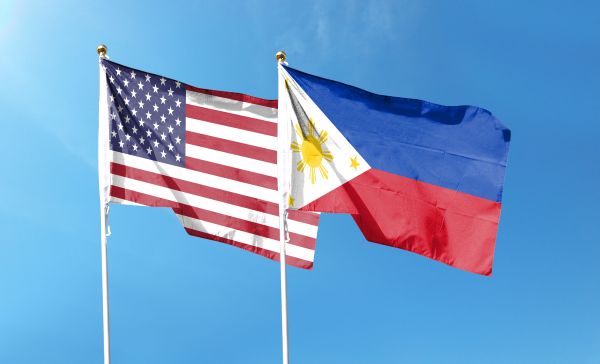
Every October, we celebrate Filipino American History Month. We remember October 18, 1587, when Filipino sailors aboard a Spanish galleon landed at Morro Bay, California — the first recorded arrival of Filipinos in the United States. We honor the early Filipino seafarers who settled in the fishing villages at Louisiana bayous, the Sakadas who labored in Hawaii’s sugar plantations, and the manongs who worked California’s fields and joined Larry Itliong in the 1965 Delano Grape Strike that helped change the course of farm labor in America.
We celebrate, too, the Filipino Americans whose names we know: the doctors and nurses, the educators, the business leaders, the public servants, community leaders, the artists, and the elected officials who have made their mark on this immigrant nation. Their achievements deserve every recognition they receive.
But this month, I want to honor the Filipinos whose names will never appear in a history book.
The Quiet Heroes
Filipino American history is not written only by the famous. It is written every day by people whose quiet sacrifices have shaped our community in extraordinary ways.
It is written by the caregiver who looks after someone else’s parent while her own grows old thousands of miles away. It is written by the nurse who stayed at the bedside during the pandemic, when so many Filipino health workers risked — and lost — their lives caring for others. It is written by the father who works two or three jobs so his children can finish school, and by the mother who sends money home every month without fail.
It is written by the lola and lolo who left everything familiar to help raise their grandchildren here. It is written by the volunteers who cook for church events, assists in food distributions to the vulnerable, by those who drive elders to their appointments, and show up for community gatherings without ever asking for credit.
In more than three decades of practicing immigration law, I have met these quiet heroes almost everyday. Their stories are stories of sacrifice, patience, and faith — of families separated for years by visa backlogs, of people who started over with nothing, and of parents who measured their own success by the opportunities they could give their children. Their contributions are rarely publicly recognized. Yet without them, there would be no Filipino American story to tell.
History Is Still Being Written
Today, many in our immigrant community are once again living with uncertainty. Changing immigration policies have brought anxiety and confusion to families — naturalized citizens, green card holders, and mixed-status households alike. That is why, during this year’s Filipino American History Month, the University of the Philippines Alumni Association of San Francisco and the Philippine Consulate General in San Francisco held “Beyond the Fear,” a forum to help families understand their rights, prepare for the unexpected, and care for their mental well-being.
To me, that is also a way of honoring our history. The generations before us faced discrimination, hardship, and uncertainty far greater than ours, and they endured. They did it the Filipino way — through bayanihan, by carrying one another’s burdens together.
We cannot control everything that happens in this country. But we can choose how we face it. We can be informed. We can be prepared. And we can stay strong, together, as the generations before us did.
A Call to Remember
So this Filipino American History Month, celebrate our heroes — the famous and the unknown alike. Thank the caregiver, the nurse, the teacher, the farmworker, the parent, and the grandparent in your own life. Ask your elders for their stories, and memorialize them. Share them with your children and grandchildren.
Because the history of Filipinos in America is not only about how far we have come. It is about who carried us here — and how we will carry one another forward.
***
Atty. Lourdes Santos Tancinco is a San Francisco-based immigration attorney with more than three decades of experience and a longtime advocate for Filipino immigrants. She was a featured speaker at the “Beyond the Fear” forum held on October 15, 2026, at the Philippine Consulate General in San Francisco.